

Search for viruses, parasites, and bacteria in ME/CFS

To investigate the prevalence and the characteristics of viruses, parasites, and bacteria in the blood of people with ME/CFS, Long COVID, and related conditions.
Large-Scale Biomarker Project (BioQuest)
Identify a biochemical signature for ME/CFS that can be conveniently evaluated through a blood test.
ME/CFS Adaptive Therapeutic Solution Platform (MEDUSA) – Phase 1
The purpose of phase 1 of this study is to identify promising treatments for specific subgroups of people with ME/CFS, which will be evaluated in later phases.
Regulation of the Itaconate Shunt in ME/CFS

This project aims to characterize the mitochondrial function in whole peripheral blood mononuclear cells (PBMCs) in ME/CFS.
Neutrophil Assessment Platform

This project aims to develop and use a platform that can evaluate neutrophil dysfunction in ME/CFS.
Viral Risk Factors in ME/CFS

This project aims to characterize viral factors associated with immune responses and inflammation in ME/CFS.
Multi-Omic Approaches to Solve Post-Acute COVID-19 (MOSAIC)
The purpose of this study is to facilitate early detection of ME/CFS in people with Long COVID and better understand disease progression.
Blood flow, neuroinflammation, and metabolism in ME/CFS
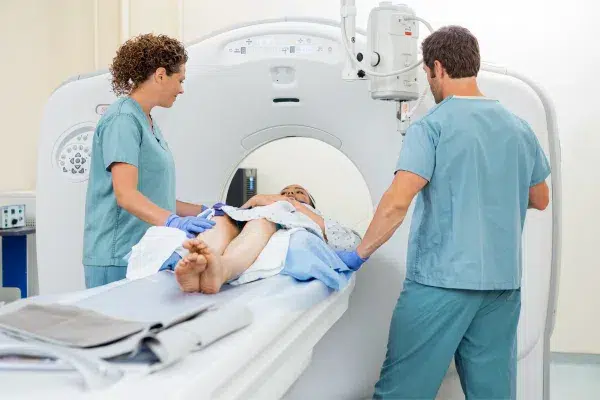
The study aims to explore the structural, neuro-vascular, and biochemical differences in the brains of individuals with ME/CFS, Long COVID, and POTS to elucidate the underlying pathology and identify potential targets for effective treatment strategies.
Personalized Treatment Trials

The study aims to deeply characterize patients before, during and after treatments are trialed through their GP. Producing large scale data in combination with treatment outcome will be used to produce a predictive algorithm to improve the connection of patients to appropriate treatment options sooner.
Tracking Hormone Fluctuations in ME/CFS (MELLOW)

The study aims to investigate how hormone fluctuations in individuals with ME/CFS and Long COVID, compared to healthy controls, impact metabolism and immune pathways by measuring hormones, metabolites, and inflammation markers in biofluid samples.